🧢 Beautiful ✨ Detailed πŸ’ Adorable

Brian the Penguin Amigurumi Pattern

Brian the Penguin Amigurumi Pattern
4.6β˜… Rating
3-4 Hours Time Needed
4.0K Made This
βœ‚οΈ

Beginner Friendly Level

Perfect for those just starting their sewing journey, with clear instructions and simple techniques

⏱️

Bite-Sized Project

Complete in under 2 hoursβ€”quick, fun, and perfect for a little creative escape.

🧸

Cute Companion

An adorable friend to cherish, handcrafted with love to bring comfort and joy for years to come.

About This Brian the Penguin Amigurumi Pattern

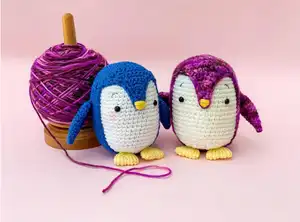
Brian the Penguin is a heartwarming amigurumi pattern that tells the story of a little penguin who traveled from the South Pole seeking friendship and colorful adventures. This pattern creates a charming 5-inch tall penguin complete with a removable coat, expressive safety eyes, and adorable yellow feet. The design features worked-in-the-round construction with simple increases and decreases, making it accessible for beginners while still creating a polished finished product.

Brian the Penguin Amigurumi Pattern crochet pattern - detailed view of completed project

Each piece of Brian comes together beautifully with clear round-by-round instructions for the body, coat, beak, flippers, and feet. The pattern includes optional details like embroidered eyebrows and rosy cheeks to add extra personality to your penguin friend.

Why You'll Love This Brian the Penguin Amigurumi Pattern

I absolutely love this pattern because it combines storytelling with crafting in such a magical way. The fact that Brian has his own backstory makes every stitch feel meaningful, and watching this little character come to life is incredibly rewarding. The coat design is clever and actually fits over the body, which adds a fun interactive element. I also appreciate how the pattern guides you through checking the fit as you go, ensuring your penguin turns out perfectly proportioned. The combination of textures with the fuzzy coat yarn and smooth body creates wonderful visual interest, and those tiny yellow feet are just impossibly cute!

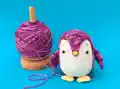
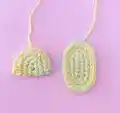
Brian the Penguin Amigurumi Pattern step 1 - construction progress Brian the Penguin Amigurumi Pattern step 2 - assembly progress Brian the Penguin Amigurumi Pattern step 3 - details and accessories Brian the Penguin Amigurumi Pattern step 4 - final assembly and finishing

Switch Things Up

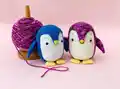
I love customizing Brian to create unique personalities! You can easily make multiple penguins by experimenting with different coat colors - imagine a whole waddle of penguins in rainbow hues! Try using variegated or self-striping yarn for the coat to create stunning color effects without any extra work.

For a more realistic penguin, use traditional black for the coat and keep the cream body, adding some grey shading with embroidery thread around the face. You could also make Brian in different sizes by changing your hook size - a tiny 2mm hook creates an adorable miniature version perfect for keychains, while a 4mm hook with worsted weight yarn makes a huggable larger companion.

I've experimented with adding little accessories too - a tiny crocheted scarf, a mini hat, or even small heart patches on the coat for Valentine's Day versions. The beak could be worked in orange instead of yellow for variation, and you could embroider different expressions by changing the eyebrow placement. Some makers love adding little wings instead of flippers by creating more pointed, triangular shapes.

For advanced crocheters, try creating texture in the coat by using bobble stitches or popcorn stitches in strategic places. You could also work the body in different colors to create penguin species variations, like the yellow-crested penguins with golden head feathers. The possibilities are endless, and each Brian becomes a unique friend with its own story!

Common Mistakes & How to Fix Them

βœ— Not stuffing the body firmly enough before closing, which can result in a floppy penguin that doesn't hold its shape properly βœ— Placing safety eyes too close together or at the wrong height, making the penguin look cross-eyed or disproportionate to the beak βœ— Forgetting to use the same yarn brand for both body and coat, causing fit issues when the coat doesn't slip on properly βœ— Missing the stitch marker placement on round 17 of the coat, leading to confusion when attaching the beak section βœ— Not checking coat fit during body construction, resulting in eyes positioned incorrectly relative to the beak embroidery

Brian the Penguin Amigurumi Pattern

Create your own adorable penguin companion with this charming amigurumi pattern. Brian the Penguin features a cozy coat, cute yellow beak, and little flippers that bring this character to life. Perfect for crafters who love making whimsical animal friends, this pattern combines simple stitches with delightful details to create a penguin full of personality and charm.

Beginner Friendly 3-4 Hours

Materials Needed for Brian the Penguin Amigurumi Pattern

β€” Main Fabric

  • 01
    DK / Light Worsted weight yarn in main coat color (Made by Penguins Baby Alpaca in Blackberry or similar), approximately 25g
  • 02
    DK / Light Worsted weight yarn in cream or white for body (Novita DK Baby Merino in Cream or similar), approximately 20g
  • 03
    DK weight cotton yarn in pale yellow for feet and beak detail (Ricorumi DK Cotton or similar), approximately 10g
  • 04
    Small amounts of black embroidery thread for eyebrows
  • 05
    Small amount of yellow embroidery thread for beak triangle

β€” Tools Required

  • 01
    2.5mm crochet hook
  • 02
    6mm safety eyes (2 pieces)
  • 03
    Stitch marker
  • 04
    Tapestry needle for construction and embroidery
  • 05
    Toy stuffing (polyester fiberfill)
  • 06
    Scissors
  • 07
    Blush for rosy cheeks (optional)
  • 08
    Pins for positioning parts before sewing

Progress Tracker

0% Complete

β€” The Coat:

Info:

Use yarn A, Ch 13

Round 1:

Work this round in BLO, Sc in 2nd Ch from your hook, Sc x 10, (Sc x 3) in the last Ch. Now work down the other side of your foundation chain. Sc x 10, Sc inc (26). Work in continuous rounds.

Round 2:

Sc inc, Sc x 10, Sc inc x 3, Sc x 10, Sc inc x 2 (32)

Round 3:

Sc, Sc inc, Sc x 10, (Sc, Sc inc) x 3, Sc x 10, (Sc, Sc inc) x 2 (38)

Round 4:

Sc x 2, Sc inc, Sc x 10, (Sc x 2, Sc inc) x 3, Sc x 10, (Sc x 2, Sc inc) x 2 (44)

Round 5:

Sc x 3, Sc inc, Sc x 10 (Sc x3, Sc inc) x 3, Sc x 10, (Sc x 3, Sc inc) x 2 (50)

Round 6:

Sc x 4, Sc inc, Sc x 10, (Sc x 4, Sc inc) x 3, Sc x 10, (Sc x 4, Sc inc) x 2 (56)

Round 7:

Sc inc, Sc x 15, (Sc inc, Sc x 5) x 3, Sc x 10, (Sc inc, Sc x 5) x 2 (62)

Round 8-16:

Sc x 62 (62) - 9 rounds

Round 17:

Sc x 8, Sc dec, Sc x 10, Sc dec, Sc x 2, Mark the stitch just made with a stitch marker. Sc x 5, Sc dec, Sc x 8, Sc dec, Sc x 10, Sc dec, Sc x 7, Sc dec (56). SS, break yarn & pull through. Leave a long tail for sewing later.

β€” The Beak:

Info:

Attach yarn A where you placed your stitch marker on round 17 of the coat. Now place your stitch marker 1 stitch back from where you have just joined your yarn. This section is worked in rows. We will Ch 1 and turn at the end of each row. Ch 1. Your first Sc will be made in the same St where you have just joined your yarn

Row 1:

Sc x 14 (14)

Row 2:

Sc dec, Sc x 10, Sc dec (12)

Row 3:

Sc dec, Sc x 8, Sc dec (10)

Row 4:

Sc dec, Sc x 6, Sc dec (8)

Row 5:

Sc dec, Sc x 4, Sc dec (6)

Row 6:

Sc x 6 (6)

Row 7:

Sc dec, Sc x 2, Sc dec (4)

Row 8:

Sc x 4 (4)

Row 9:

Sc dec x 2 (2)

Row 10:

Sc x 2 (2)

Row 11:

Sc dec (1)

Row 12:

Sc x 1 (1) Do not Ch 1 & turn here. Break yarn & pull through. Weave in the loose end.

Infos:

We will now Sc around the edge of the beak. Join yarn A where your stitch marker is now placed (this should be one stitch back from where you joined your yarn to start the beak. Ch 1 and SS on to the side of the beak. Sc up the edge until you reach the point of the beak. Make 3 Sc in the final St from row 12 of the beak. This should give you a nice point. Sc back down the other side of the beak. SS back on to the next stitch on the coat. Break yarn and pull through. Weave in the loose end. With yellow thread embroider a small triangle on the tip of the beak.

β€” The Body:

Info:

Use yarn B and work in continuous rounds

Round 1:

Sc x 6 in to a MR (6)

Round 2:

Sc inc x 6 (12)

Round 3:

(Sc, sc inc) x 6 (18)

Round 4:

(Sc x 2, sc inc) x 6 (24)

Round 5:

(Sc x 3, sc inc) x 6 (30)

Round 6:

(Sc x 4, sc inc) x 6 (36)

Round 7:

(Sc x 5, sc inc) x 6 (42)

Round 8-25:

Sc x 42 (42) - 18 rounds

Infos:

Insert the safety eyes between rounds 14-15. There should be a 9 stitch gap between the eyes. Stuff the body. Continue to stuff the remainder as you go. To check you are happy with the position of your safety eyes and the amount you are stuffing you can try the coat on the body now and then. They eyes should be about level with the yellow embroidery on the beak and about half way between this and the sides of the coat.

Round 26:

(Sc x 5, sc dec) x 6 (36)

Round 27:

(Sc x 4, sc dec) x 6 (30)

Round 28:

(Sc x 3, sc dec) x 6 (24)

Round 29:

(Sc x 2, sc dec) x 6 (18)

Round 30:

(Sc, sc dec) x 6 (12)

Round 31:

Sc dec x 6 (6). SS in to the next stitch, break yarn & pull through. Try the coat on the body again. Ensure you are happy that you have placed enough stuffing. Weave the loose end through the FLO of the final row of the body to close off the end.

Optional Detail:

With a strand of black thread embroider the eyebrows 3 rounds above the eyes over r 10-11. Use a small amount of blush to create rosy cheeks on the lower border of the eyes.

β€” The Flippers:

Info:

Use yarn A & make 2. Work in continuous rounds

Round 1:

Sc x 4 in to a MR (4)

Round 2:

(Sc, Sc inc) x 2 (6)

Round 3:

(Sc x 2, Sc inc) x 2 (8)

Round 4:

(Sc x 3, Sc inc) x 2 (10)

Round 5:

(Sc x 4, Sc inc) x 2 (12)

Round 6:

(Sc x 5, Sc inc) x 2 (14)

Round 7:

(Sc x 6, Sc inc) x 2 (16)

Round 8:

(Sc x 7, Sc inc) x 2 (18)

Round 9:

Sc x 18 (18)

Round 10:

(Sc x 7, Sc dec) x 2 (16)

Round 11:

Sc x 16 (16)

Round 12:

(Sc x 6, Sc dec) x 2 (14)

Round 13:

Sc x 14 (14)

Round 14:

Sc dec x 7 (7). Break yarn & pull through. Leave a long length for sewing. Fold the flipper flat and sew the top closed prior to attaching.

β€” The Feet:

Info:

Use yarn C and make 2. Ch 7

Round 1:

In BLO, Sc in the 2nd Ch from your hook, Sc x 4, (3 Sc) in the last Ch. Now work down the other side of your foundation chain. Sc x 4, Sc inc (14). Work in continuous rounds.

Round 2:

Sc inc, Sc x 4, Sc inc x 3, Sc x 4, Sc inc x 2 (20)

Round 3:

Sc, Sc inc, Sc x 4, (Sc, Sc inc) x 3, Sc x 4, (Sc, Sc inc) x 2 (26). SS, break yarn & pull through. Leave a long tail for sewing. Fold the foot in half. Sew around the edges to secure this.

Assembly Instructions

  • Place the coat on the body ensuring the little yellow beak sits equal distance between the safety eyes
  • Pin the coat in place and sew it to the body using either a whip stitch or a mattress stitch
  • Sew the feet to the body with the flat end of the feet pointing outward
  • Attach the top of the curved section of each foot to the base of the coat
  • Sew the flippers to the sides of the coat with the top of each flipper positioned about level with the eyes

Important Notes

  • πŸ’‘Use yarn of the same brand (or yarns that work up to the same size) for the body and coat to avoid a poor fit between pieces
  • πŸ’‘Use stitch markers carefully, especially on round 17 of the coat where beak attachment begins, to maintain proper construction sequence
  • πŸ’‘Safety eyes are not recommended for young children - consider embroidered eyes as a safer alternative for toys intended for small kids
  • πŸ’‘Try the coat on the body periodically during construction to check eye placement and ensure proper stuffing before closing
  • πŸ’‘Fold flippers flat and close the tops completely before attaching them to the coat for a cleaner, more professional appearance
  • πŸ’‘Embroider the small yellow triangle on the beak tip carefully to create the distinctive penguin look
  • πŸ’‘Apply blush lightly to create rosy cheeks without overpowering the delicate facial features

This adorable Brian the Penguin pattern was designed by Alexa Templeton (Lex in Stitches) to bring a heartwarming story to life in amigurumi form. Brian's journey from the cold South Pole to finding friendship and colorful adventures is woven into every stitch of this charming design. The pattern combines beginner-friendly techniques with thoughtful details like the removable coat and expressive features to create a penguin companion full of personality. Perfect for crafters looking to make a meaningful handmade gift or add a whimsical friend to their amigurumi collection. 🐧🧢✨

You ask,

we answer.

FAQs

What size will my finished Brian the Penguin be?

When made with a 2.5mm hook and DK weight yarn as recommended, Brian will be approximately 5 inches tall. The size may vary slightly depending on your tension and the specific yarn brands you choose.

Can I use different yarn weights for this pattern?

While you can experiment with different yarn weights, it's crucial to use the same weight yarn for both the body and coat to ensure a proper fit. If you use a heavier yarn with a larger hook, your penguin will be bigger, and if you use lighter yarn with a smaller hook, it will be smaller.

Is the coat removable or sewn permanently to the body?

The coat is sewn permanently to the body for structural integrity and to ensure the beak and eyes align properly with the coat design. This creates a more polished finished look.

What should I do if my coat doesn't fit over the body properly?

This usually happens when different yarn brands are used for the body and coat. The pattern specifically recommends using yarn from the same brand or yarns you know work up to the same gauge. You can try the coat on the body during construction to check the fit before finishing.

Can I make this pattern safe for babies and toddlers?

Yes! Instead of using safety eyes, embroider the eyes with black thread. Make sure all parts are securely sewn and there are no loose pieces that could become choking hazards. Always supervise young children with handmade toys.

How do I create the rosy cheeks mentioned in the pattern?

You can use cosmetic blush applied with a small brush, or use chalk pastels. Apply sparingly and build up color gradually for the most natural look. Some crafters also use colored pencils designed for fabric.